

March 26, 2026

Yes, most professional locksmiths will copy these keys. The “do not duplicate” stamp has no legal enforcement in the United States. It serves only as a warning or courtesy request. Any locksmith with the proper key blank can legally duplicate these keys.
However, understanding key security goes beyond simple stamped warnings on your keys. Many business owners and property managers rely on these inscriptions for protection. This creates a false sense of security that leaves properties vulnerable. The Associated Locksmiths of America confirms that these stamps provide minimal actual security.
The real question isn’t whether locksmiths can copy these keys. The question is how to truly protect your business or property. Unauthorized key duplication remains the most violated security policy in businesses today. Former employees, past tenants, and contractors often retain keys they should return.
This comprehensive guide explains everything about “do not duplicate” keys and security. You’ll learn which keys cannot be legally copied. You’ll discover the differences between restricted, unrestricted, and stamped keys. Most importantly, you’ll find actionable solutions to genuinely secure your property.

The quick answer is yes. A qualified locksmith can make a copy of a key stamped “Do not duplicate.” They can likely duplicate it for you. This is true as long as they have the correct key blank available.
The stamped message is simply a warning. It does not have any legal protection behind it. However, large hardware stores might decline to copy keys marked this way.
The Associated Locksmiths of America (ALOA) has shared important information. They say that “do not duplicate” inscriptions may create false security feelings. Keys with this label can still be copied easily. Your business needs better security solutions that actually work.
Business owners and property managers started using this key stamp for specific reasons. They wanted to stop security problems from fired workers. They also aimed to prevent issues from past renters and construction staff. These groups often keep keys they should return. Today, unauthorized key copying is still a major security risk. It remains the top violated security rule in businesses everywhere, according to security industry experts.
The stamped warning might reduce how many copies get made. This happens because people must visit a locksmith instead. But the truth is clear. Keys marked “Do Not Duplicate” offer no extra protection. They are just as vulnerable as unmarked keys.
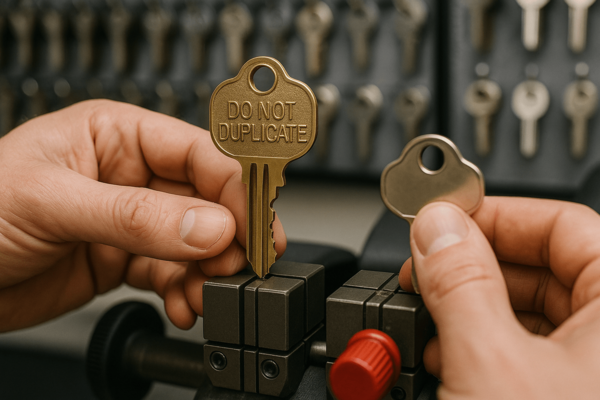
You can get a “do not duplicate” key created by a locksmith. Local hardware stores also provide this service. Any store offering key cutting and engraving can handle this request for you.
Keep in mind an important fact about these keys. Some shops refuse to copy them for ethical reasons. However, this stamp does not boost your property’s actual security. Any locksmith business can duplicate these stamped keys without problems. No law exists that controls or regulates this inscription.
Keys with high-security features typically cannot be copied easily. These are keys that are difficult to replicate. This happens for two main reasons. They either need advanced equipment for copying. Or they have patent protection from the manufacturer, as outlined by the National Institute of Standards and Technology.
These specialized keys often feature unique designs. Some have embedded technologies built into them. These features make duplication very difficult. You need proper permissions to copy them. You also need specialized equipment that most shops lack.
Examples of these non-copyable keys include:
Restricted keys receive protection under U.S. patent laws. These laws safeguard manufacturers of specialized lock and key systems. Breaking this law can result in serious consequences. A penalty of up to $10,000 may apply for circumventing it. This includes illegally duplicating a restricted key without authorization.
Lock manufacturers created restricted keys to enhance product security. These keys are intentionally harder to copy than standard keys. The duplication process demands special equipment that most places lack. The key design also enjoys patent protection by law, certified by the Builders Hardware Manufacturers Association.
Only approved manufacturers and locksmiths can duplicate restricted keys. They must use particular specialized tools for the process. A professional locksmith in Shakopee should request identification from anyone wanting a copy. They must also verify proof of permission. This proof should come from the original key owner.
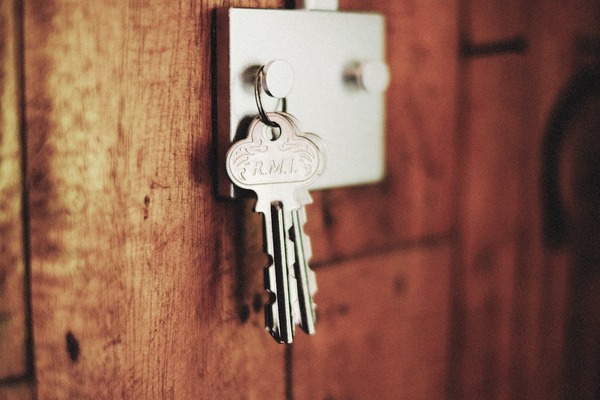
Unrestricted keys are standard keys without any duplication restrictions. They are commonly found in basic residential and commercial settings. Examples include home locks and office doors throughout the country.
These keys are easy to find at hardware stores. Locksmiths also stock them in abundance. Online retailers sell them as well. This makes them convenient and widely accessible to everyone.
Their ease of duplication creates widespread availability for consumers. Unrestricted keys work well in situations where high security isn’t essential. They offer a practical balance between convenience and affordability. This makes them perfect for everyday locking needs and basic protection, as noted by SafeHome security experts.
The most important difference among these key types involves their duplicability. This means some can be duplicated without any issues. Others cannot be copied at all. Still others can be duplicated but need proper authorization first.
Here is a summary of their differences in application:
| Factor | Restricted Keys | Unrestricted Keys | Do Not Duplicate Keys |
|---|---|---|---|
| Distribution | Distributed with limitations and often need authorization. | Freely distributed without any limitations at all. | Distributed with a rule not to make duplicates. |
| Access Control | Typically grants access to sensitive or restricted areas. | Grants access to common or public areas only. | Grants access to areas with security concerns or specialized equipment. |
| Security | Generally higher security level due to restricted access controls. | Lower security level due to widespread distribution everywhere. | Moderate security level to prevent unauthorized duplication attempts. |
| Authorization | Requires authorization or approval for distribution and use. | No specific authorization required for distribution to anyone. | Distributed with a rule to prevent unauthorized duplication efforts. |
| Duplication | Typically controlled to prevent unauthorized duplication completely. | Can be duplicated freely without any restrictions whatsoever. | Has a rule not to make duplicates. But generally can still be duplicated. |
| Cost | Often higher cost due to restricted distribution and control measures. | Lower cost due to widespread availability in markets. | May have higher initial cost due to specialized manufacturing processes. |
| Use of Key | Government facilities, high-security buildings, and confidential areas. | Residential buildings, public spaces, and commercial properties. | Laboratories, specialized equipment, and secure storage facilities. |
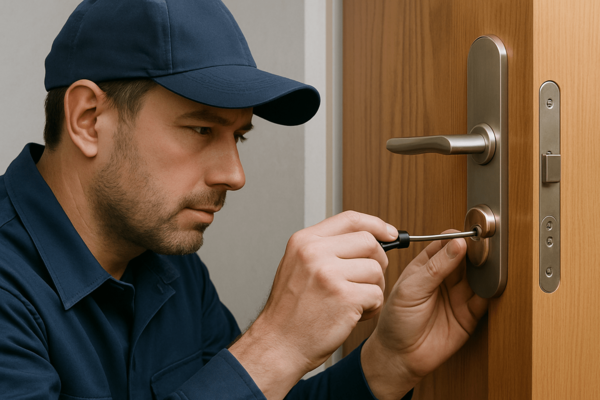
Now you understand why unrestricted keys fail as security measures. Keys with “do not duplicate” inscriptions do not provide real protection. You need the right strategy to genuinely boost security levels.
The best way to increase business security involves professional installation. Install a comprehensive security system through a qualified locksmith in St. Louis Park. A professional locksmith can provide this service.
Here is a list of additional strategies you can use to boost business security.
At Keyway Locksmith, we understand the serious security challenges businesses face today. Unauthorized key duplication threatens your property and assets every single day. Our team of certified professionals provides comprehensive security solutions tailored specifically for your business.
We offer expert rekeying services that render all old keys useless. This protects you from former employees or contractors with unauthorized access. Our high-security lock systems feature advanced protection against picking and drilling. These systems use patent-protected designs that prevent unauthorized duplication completely.
Keyway Locksmith specializes in modern electronic access control systems too. We install smart locks and key card systems for businesses. These allow you to manage access remotely from your phone. You can grant or revoke access instantly without physical key exchanges.
Don’t let “do not duplicate” stamps create false security feelings. Trust Keyway Locksmith to implement real security measures that actually work. Our experienced technicians assess your current vulnerabilities and recommend the best solutions. We serve businesses throughout the area with fast, reliable service, including emergency locksmith services available 24/7.
Contact Keyway Locksmith today for a free security consultation. Let us help you protect your business with solutions that go beyond simple key stamps. Your security is our priority, and we’re here to help around the clock.
Protecting your business from unauthorized key duplication requires more than simple stamps. Understanding the limitations of “do not duplicate” keys is the first step. These inscriptions provide no real legal protection for your property. Your business deserves genuine security solutions that actually prevent unauthorized access.
Investing in restricted key systems offers patent-protected security for your business. Professional rekeying services eliminate threats from old or lost keys. Electronic access control systems provide modern protection with remote management capabilities. Smart locks allow you to monitor and control entry points instantly.
Don’t wait until a security breach affects your business operations. Take proactive steps to upgrade your security infrastructure today. Partner with qualified locksmith professionals who understand your unique business needs. Implement comprehensive security measures that protect your assets and employees effectively.
Contact Keyway Locksmith now to schedule your business security assessment. Our experts will evaluate your current vulnerabilities and recommend customized solutions. Secure your business with professional-grade protection that goes beyond basic key stamps. Read our customer testimonials to see how we’ve helped businesses like yours.
1. Can any locksmith legally copy a “do not duplicate” key?
Yes, locksmiths can legally copy keys marked “do not duplicate.” The inscription carries no legal enforcement behind it whatsoever. It serves only as a warning or request. However, some locksmiths choose not to copy these keys for ethical reasons. Large hardware stores often refuse these duplication requests as company policy. But no federal or state law prevents key duplication. Only restricted keys with patent protection have actual legal duplication restrictions.
2. What makes restricted keys different from “do not duplicate” keys?
Restricted keys have U.S. patent law protection that prevents unauthorized duplication. They require specialized equipment and authorization from the original key owner. Breaking restricted key laws can result in penalties up to $10,000. “Do not duplicate” keys have no legal protection at all. They rely only on voluntary compliance from locksmiths and key cutters. Anyone with the right key blank can duplicate them easily.
3. How can I improve my business security beyond key stamps?
Invest in high-security lock systems with patent-protected restricted keys for your business. Consider professional rekeying services to invalidate all existing key copies immediately. Install electronic access control systems with key cards or smart locks. These systems let you manage access remotely and revoke permissions instantly. Partner with professional locksmiths who can assess your security vulnerabilities. They can recommend customized solutions that match your specific business needs.
4. Are master keys safe for business use?
Master keys can be safe when properly controlled and managed carefully. They should only be issued to authorized personnel with verified identity. Organizations must maintain strict control over master key distribution and duplication. Unauthorized copying of master keys is typically prohibited by company policy. Consider using restricted master keys with patent protection for added security. Regular audits help ensure master keys haven’t been compromised or duplicated.
5. What should I do if I suspect unauthorized key copies exist?
Contact a professional locksmith immediately to rekey all affected locks on your property. Rekeying changes the internal lock mechanism so old keys stop working. This solution costs less than complete lock replacement in most cases. Implement a key control policy with signed agreements from key holders. Consider upgrading to restricted key systems or electronic access control. Document all key distributions and maintain a current record of holders.


