

March 24, 2026

Professional door opening specialists use a range of techniques to unlock doors, primarily divided into non-destructive and destructive entry methods. Non-destructive approaches include manual pin manipulation, lock decoding, latch repositioning, and bypass techniques that preserve your lock and door integrity. These methods are always attempted first to avoid repair costs and maintain existing security hardware.
When non-invasive techniques fail, professionals may resort to precision drilling or controlled force application as last-resort options. Common reasons requiring professional door opening include lost keys, broken keys lodged in locks, faulty mechanisms, weather-induced swelling, alignment issues, electronic lock failures, and accidental lock engagement. Understanding how professionals approach different lock types helps you know what to expect during lockout situations.
This guide explains the specific techniques specialists use, when each method is appropriate, and why professional assistance ensures safe and efficient access restoration to your property.
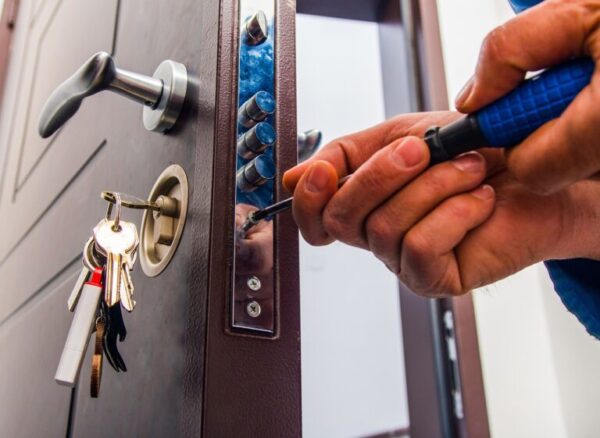
Entry specialists employ multiple approaches to unlock doors, with most methods focusing directly on the locking mechanism. These professionals regularly work with diverse locking systems including cylinder-style locks, security-enhanced models, mortice mechanisms, digital systems, and keypad entries. Different locking mechanisms demand unique tools and specialized techniques to successfully restore access. Understanding the specific lock type determines which opening strategy will be most effective and efficient. The standard approaches professionals utilize to open secured doors include:
Professionals utilize manual picks or electric tools to adjust internal pins within the locking mechanism. This method allows entry without causing harm to the door or the lock itself. The technique requires precision and understanding of how pin systems function internally. This approach is often preferred when preserving the lock’s integrity is essential.
Specialized decoding devices help professionals interpret mortice-style locking systems for successful entry. These tools enable access by reading the lock’s internal configuration accurately. Decoding provides a non-invasive way to unlock without requiring replacement parts.
Certain situations allow professionals to manually reposition the latch mechanism back into its open position. This technique works by directly manipulating the latch to release the door. It’s a straightforward approach when the latch is accessible.
Some locks can be opened using specialized bypass equipment designed for specific access points. Professionals may also gain entry through secondary doors or alternative entry locations when available. This method avoids direct interaction with the primary locking mechanism entirely.
When non-damaging methods prove unsuccessful, professionals may employ precise drilling with specialized bits and controlled techniques. This approach targets specific lock components while minimizing overall damage to the door assembly. Drilling remains a carefully considered option used only when necessary.
As a final option when gentler methods fail, professionals may apply measured force to open the entry point. This method is reserved for situations where all other techniques have been exhausted. Force is always applied strategically to minimize unnecessary damage to the property.
Door opening methods generally fall into two main categories based on their impact on the property. Non-destructive entry techniques preserve the lock and door without causing damage during the unlocking process. Destructive entry methods involve some level of damage to gain access when other options fail. Trained professionals prioritize damage-free techniques whenever possible to protect your property and reduce repair costs.
Modern tools and advanced training enable specialists to successfully open most doors without harming the locking mechanism. These non-invasive approaches help maintain the security and functionality of your existing hardware after entry is restored.
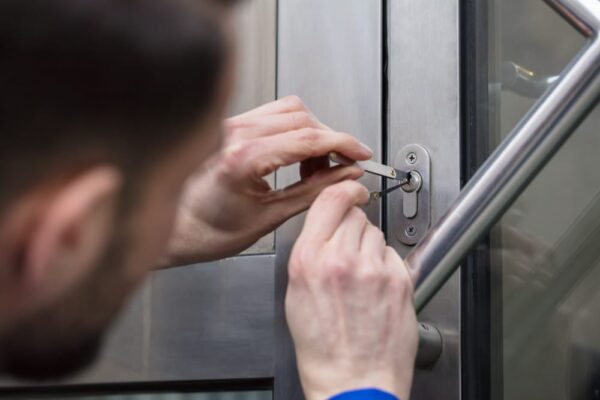
Damage-free entry focuses on unlocking doors while keeping both the door and locking mechanism completely intact. This approach typically combines several specialized techniques including manual pin manipulation, electric picking tools, and decoding devices. Professionals may also reposition latches manually or use bypass methods with specialized equipment for alternative access. These advanced skills enable trained specialists to work with locks in multiple ways depending on the situation.
Each technique is carefully selected based on the specific lock type and circumstances encountered. The goal is always to restore access while preserving the original hardware for continued use. This expertise ensures property owners avoid costly replacements and maintain their existing security systems after entry.
Professionals begin by carefully evaluating the lock type, door material, and any installed security features. This initial examination helps determine the most effective approach for gaining entry without causing harm. Understanding these elements ensures the right tools and techniques are selected for the specific situation. Next, appropriate equipment is chosen based on the assessment findings, including manual picks, bump tools, or decoding instruments. The selection process matches the tools directly to the lock style encountered for optimal results.
During the entry phase, specialists may use manual or electric picking methods to work the mechanism. Complex locking systems might require decoding devices to interpret internal configurations accurately and unlock successfully. Bypass approaches allow professionals to manipulate hardware components without directly engaging the primary locking mechanism itself. Specialized equipment can facilitate access through alternative methods that avoid direct cylinder interaction entirely. Each technique is applied with precision to maintain the integrity of all components throughout the process.
After successfully opening the door, a complete inspection and functionality test is performed on the mechanism. This verification ensures the lock operates properly with its key and maintains full security capabilities. Testing confirms that no hidden damage occurred and the system functions exactly as designed.
Damaging entry techniques are only considered after all non-invasive methods have been exhausted without success. These approaches are reserved for particularly stubborn locks that resist standard opening techniques completely. When this situation occurs, professionals work to minimize the extent of damage to control repair expenses.
The primary goal remains limiting destruction while still achieving successful entry to the property. Common damaging methods include precision drilling with specialized techniques or applying controlled force to the door. These last-resort options ensure access is restored even when gentler approaches prove ineffective for the situation.
Experienced professionals first verify that damaging methods are truly necessary before proceeding with any destructive approach. This verification involves confirming that all non-invasive techniques have been properly attempted and proven unsuccessful. Ensuring this necessity prevents unnecessary damage and keeps repair costs as low as possible for property owners. Before beginning, specialists take protective measures to shield the door frame and surrounding areas from collateral harm. These precautions help contain damage to only the essential components that must be affected.
During the entry process, professionals select the least invasive tools available, such as precision drilling equipment. Lock hardware is removed with careful precision to maintain as much door integrity as possible. Strategic disassembly focuses on specific lock points without impacting other door components or structural elements unnecessarily. When force becomes necessary, it’s applied in a controlled manner targeting the weakest points strategically. This measured approach minimizes the overall impact on the door while still achieving successful entry.
After gaining access, a comprehensive inspection examines the door and lock area to assess all damage. Professionals evaluate whether lock replacement is needed and recommend immediate repairs or security improvements based on findings. If the property owner approves, the specialist proceeds to install a replacement lock system promptly. This final step restores full security and functionality to the entry point after the opening procedure.
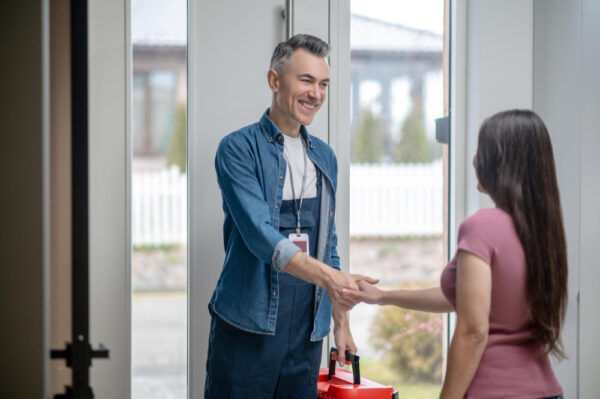
Doors that refuse to open with their designated keys frequently require professional assistance to regain access. Multiple factors such as missing keys or malfunctioning mechanisms can create significant entry challenges for property owners. Understanding the common causes of lockouts helps you recognize when expert help becomes necessary for resolution. Trained specialists handle these situations regularly and can restore access efficiently regardless of the underlying issue. The most frequent reasons people contact professionals for door opening assistance include:
Losing or misplacing keys ranks among the most common reasons for requiring professional door opening services. Missing keys can leave you unable to enter your home, vehicle, or workplace when you need access. This situation creates immediate stress and demands quick resolution to restore normal access to your property.
Keys can deteriorate with repeated use, particularly when operating stiff or aging lock mechanisms over extended periods. This wear eventually leads to breakage during normal use, creating frustrating lockout situations for property owners. Frequently, keys snap inside the mechanism, leaving a portion lodged within that prevents any further operation. Professional extraction and replacement become necessary to restore functionality and access to the secured area.
Locking mechanisms deteriorate over time due to age, constant use, and insufficient maintenance throughout their lifespan. A malfunctioning mechanism inside your door can prevent unlocking even when using the correct original key. These internal failures require professional diagnosis and repair to identify the specific component causing the malfunction.
Certain door materials and frames are vulnerable to expansion or contraction caused by changing weather conditions throughout seasons. High humidity levels or heavy rainfall cause materials to swell significantly, while cold and dry conditions trigger shrinkage. These dimensional changes cause locks and doors to shift out of proper alignment with their frames. Professional adjustment becomes necessary to realign components and restore smooth operation without forcing the mechanism.
Doors can gradually shift or sag from regular daily use or from building movement and settling. This movement causes the lock and its corresponding strike plate to fall out of proper alignment. Professionals can realign or adjust both the door and its components to restore proper function. These adjustments ensure smooth operation and prevent future lockout situations caused by misalignment issues.
Electronic locking systems can experience power depletion, programming errors, or internal component failures that prevent normal operation. These technical issues can create lockout situations that require specialized troubleshooting and repair knowledge to resolve. Specialists can diagnose these systems and either repair the malfunction or provide alternative entry solutions. Their expertise ensures you regain access while preserving the electronic security features you rely on daily.
Doors sometimes lock themselves without warning due to wind gusts or simple human oversight during routine use. Self-locking mechanisms without exterior handles are particularly prone to creating these unexpected lockout situations for property owners. Professionals can open these accidentally secured doors without causing any damage to the mechanism or frame. This expertise prevents costly repairs while quickly restoring access to your property when accidents occur.
These common issues can affect any door style, including wooden, synthetic composite, aluminum, and sliding door systems.
When you need assistance opening a locked door, choosing qualified professionals ensures safe and effective resolution. Look for specialists who have received proper training and background verification to guarantee trustworthy service at your property. Many professionals offer around-the-clock availability to help during emergencies regardless of the time of day. Service providers often respond quickly to minimize your wait time and restore access as soon as possible. Reputable professionals typically don’t charge call-out fees, making their services more accessible when you face lockout situations. Contacting a trained specialist promptly can resolve your door access issues efficiently and restore your peace of mind.
Whether you’re experiencing lockouts in suburban communities, growing neighborhoods, residential areas, established districts, family-friendly suburbs, nearby towns, riverside locations, or surrounding municipalities, reliable help is available to address your door access needs. Following proper safety protocols and understanding community resources helps you make informed decisions during lockout emergencies. Don’t hesitate to reach out when you need immediate assistance with any door opening situation.
Professional door opening services combine specialized knowledge, advanced tools, and proven techniques to restore access safely and efficiently. Whether using non-destructive methods to preserve your existing hardware or applying controlled damaging techniques when necessary, trained specialists prioritize minimizing costs while ensuring successful entry. Understanding the various opening methods helps property owners make informed decisions during lockout emergencies.
When facing a locked door situation, prompt action with qualified professionals prevents prolonged stress and potential security risks. Choose specialists with proper training and verification who offer reliable service during any lockout scenario you encounter. Taking quick steps to contact experienced professionals ensures your property access is restored efficiently while maintaining security standards.
How long does it typically take a professional to open a locked door?
Most professionals open standard residential locks within 5 to 15 minutes using non-destructive techniques. Complex security systems or commercial locks may require additional time depending on the mechanism type and security features installed.
Can I attempt to open my own locked door before calling a professional?
Simple methods like checking alternative entry points or using spare keys are safe to try first. Avoid force or makeshift tools that could damage locks, as repairs often cost more than professional services would have initially.
Will my lock function normally after a professional opens it non-destructively?
Yes, non-destructive entry methods preserve full lock functionality and maintain your existing security level. Professionals test the mechanism after opening to confirm proper operation with your key and verify no internal damage occurred during entry.
What credentials should I verify when hiring a door opening specialist?
Check for valid licensing, insurance coverage, and professional certifications specific to your state or region. Reputable specialists provide identification, business information, and references upon request to verify their legitimacy and experience level.
How can I prevent accidental lockouts from happening in the future?
Install keyless entry systems, hide spare keys with trusted neighbors, or use secure lockboxes at entry points. Regular lock maintenance and developing exit routines help you avoid leaving keys inside when departing your property.


