March 26, 2026

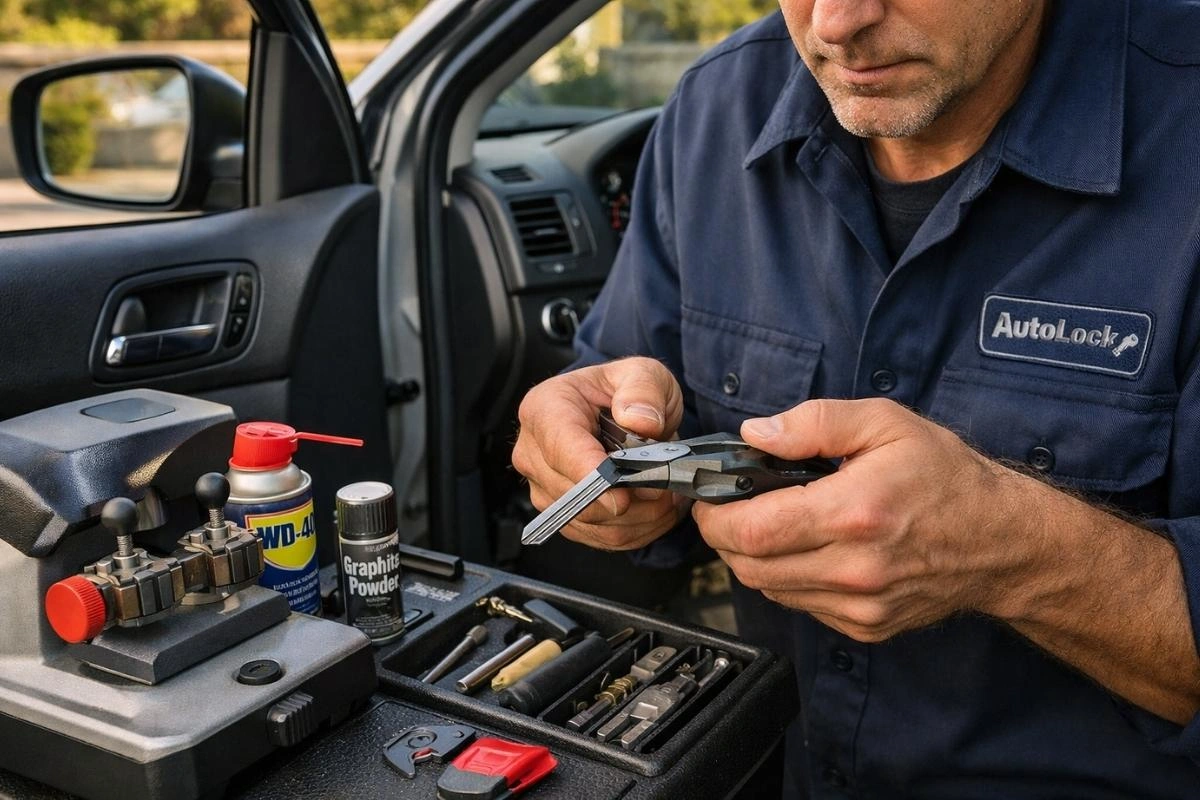
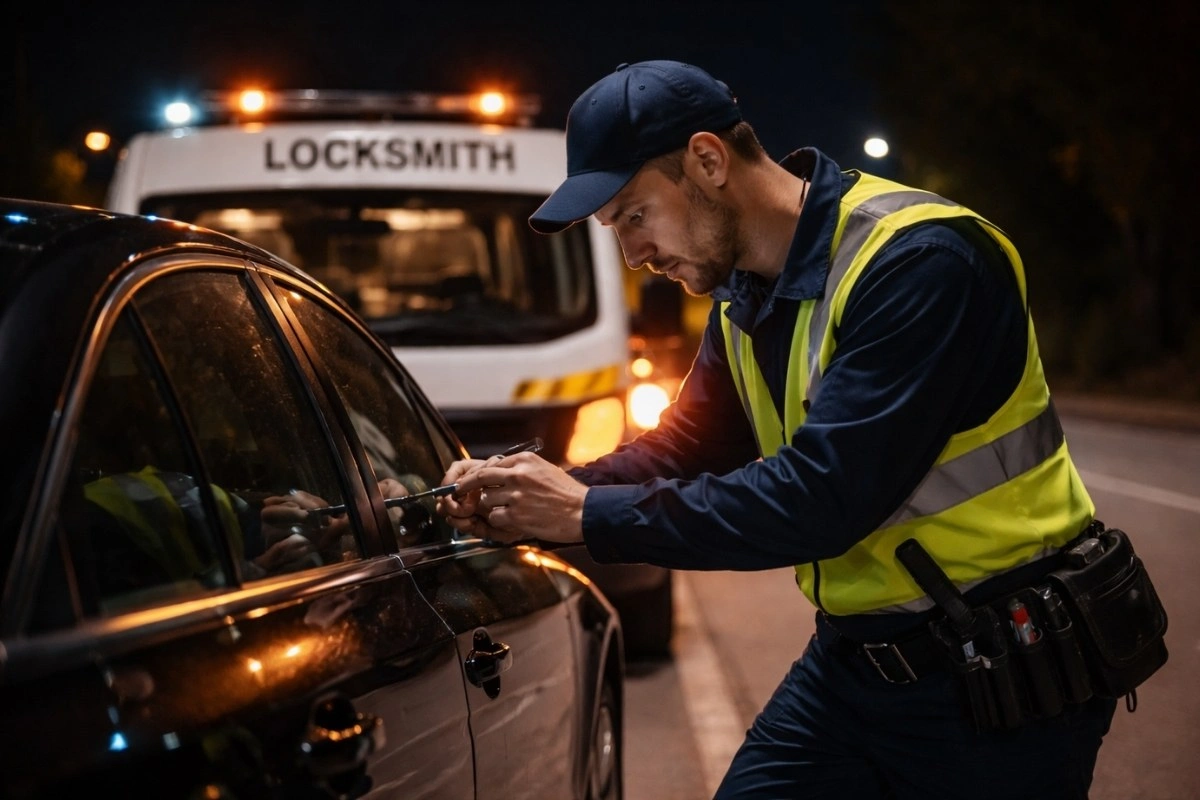
Yes, a professional locksmith can fix a bent or broken car key in many cases. If the blade has a minor bend and no visible cracks, an automotive locksmith can straighten it and restore smooth operation. If the key is fully broken, cracked, or has a damaged transponder chip, a full replacement is the safer and more reliable solution. A locksmith can cut a new key, decode it from your vehicle’s key code, and reprogram it to work with your car’s immobilizer system. The right fix depends on the type of damage and the type of key involved.
Keyway Locksmith provides professional automotive locksmith services, including bent car key repair, broken key extraction, and car key programming for all key types. Acting quickly and calling a trained locksmith protects your ignition lock and prevents the problem from getting worse.
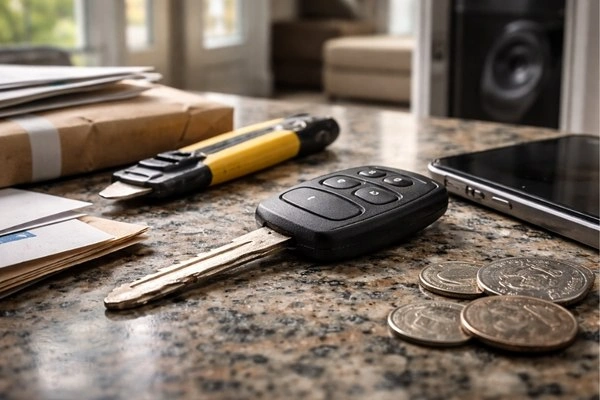
Car keys may look tough, but they are more fragile than most people expect. Regular use, weather changes, and bad habits can all cause damage over time. A bent key, cracked blade, or fully broken car key can develop gradually. Catching these problems early helps protect both your ignition lock and the keyway from further damage. Knowing what leads to damage puts you in a better position to act quickly.
Understanding which type of damage you have is the right first step before taking action. Both a bent key and a broken car key affect how the key fits inside the keyhole and ignition lock. However, each problem comes with different warning signs and requires a different solution. Identifying the damage correctly helps you avoid making things worse. Acting on the right information gets you back on the road faster.
A bent key may still appear intact but will not slide into the keyhole the way it should. It may feel stiff or need extra force to insert and turn properly. Applying too much force risks causing damage to the ignition lock itself. A locksmith can often handle bent car key repair by carefully adjusting the blade back into shape. If the bend is beyond repair, cutting a new copy of the key is a reliable solution.
A broken car key usually shows an obvious crack, a split down the blade, or a piece that has come off entirely. At this stage, a broken key fix moves away from repair and toward full replacement. A locksmith can produce a new key using your vehicle’s key code or an existing spare. This approach protects your lock system and ensures the new key functions correctly. For newer vehicles, reprogramming is often part of the replacement process to restore full access.
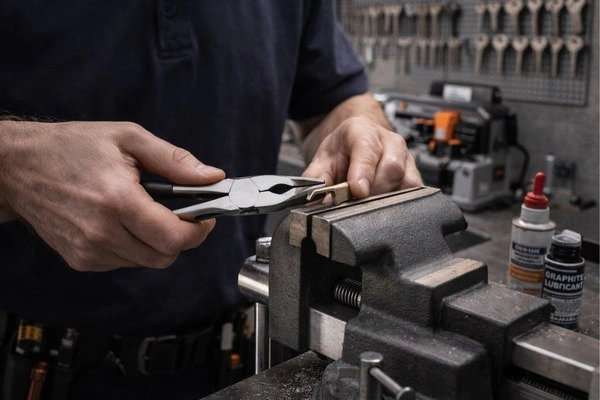
A bent key does not always mean you need a full replacement right away. If the blade has a light curve and no visible cracks, an automotive locksmith may be able to straighten it. The right tools and techniques can often restore the key to smooth working conditions. Acting quickly and getting a professional assessment helps prevent further damage to your key and lock. Here are the conditions where a locksmith can carry out bent car key repair:
There are times when a bent key has gone too far and repair is simply not a safe option. If the metal shows cracks, splits, or the transponder key or immobilizer chip is damaged, a locksmith will recommend a full replacement. A new key ensures reliable performance and keeps your ignition lock protected from further harm. Getting a replacement done promptly by a professional saves you from bigger problems down the road. Here are the situations where a locksmith recommends key replacement:
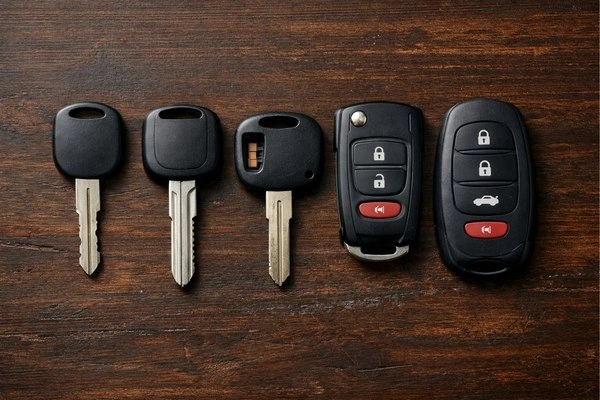
Not all car keys are built the same way, so repair options vary depending on the type. From basic metal blades to modern keyless start systems, each design comes with its own set of issues. A professional locksmith can assess your specific key and recommend whether repair, reprogramming, or full replacement is the right choice. Knowing your key type helps you understand what to expect before calling for help.
These are the most basic keys, made of metal with cut ridges that match your ignition lock. If you have a bent car key of this type, a locksmith may be able to straighten it or cut a duplicate. Once a crack or fracture appears in the blade, replacement becomes the only reliable fix for smooth operation. Acting early gives you a better chance of saving the key rather than replacing it entirely.
Laser-cut keys are thicker and shaped with greater precision than standard keys. They offer stronger security but have less room for adjustment when damaged. A broken car key of this type often requires a locksmith to perform a laser cut car key repair or duplicate it using specialized equipment. Repairing bends on these keys is uncommon due to the tight tolerances involved in their design.
Transponder keys contain small chips that communicate directly with your vehicle’s immobilizer system. A bent blade may still function, but a damaged chip means the car will not start without a proper fix. A locksmith can reprogram and cut a replacement transponder key to restore full vehicle access. Getting this done correctly by a professional ensures your car recognizes the new key without any issues.
Remote-head keys combine a traditional metal blade with built-in electronic controls in one unit. A bent blade can sometimes be straightened or duplicated, but failed electronics require both mechanical cutting and remote programming. This combination of services makes professional assistance the most practical and reliable option. Handling both components together ensures everything works properly after the repair.
Modern keyless start vehicles rely almost entirely on electronics rather than a physical blade. Damage to these systems is usually about circuit board failure or broken battery housing rather than bending. Smart key replacement is the correct solution when the internal components stop working properly. A locksmith can program a new fob to sync with your vehicle’s immobilizer, restoring both access and security.
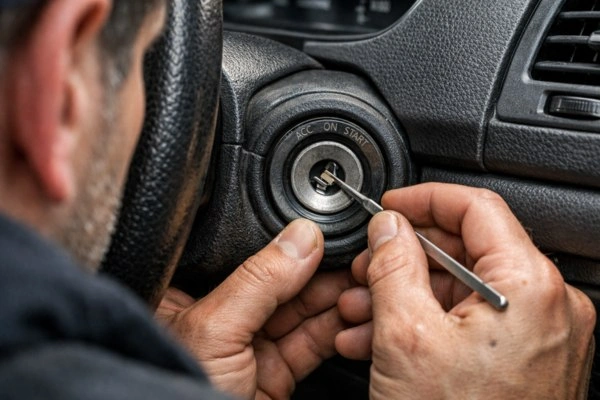
When dealing with a bent car key or a broken car key, a professional locksmith has the proper tools and training to fix the problem safely. Rather than forcing a damaged key into the ignition lock, locksmiths follow proven methods to restore smooth operation. These methods keep your vehicle secure and prevent further damage to the lock or key. Trusting a trained professional ensures the job gets done right the first time.
Here’s how automotive locksmith services typically solve key-related issues:
If you are holding a bent car key, there are a few safe steps you can take before calling a professional locksmith. It is just as important to know what to avoid, since one wrong move can turn a fixable key into a costly replacement. Being informed helps you protect both your key and your ignition lock.
Here is a clear look at safe DIY tips versus common mistakes:
| DIY Tips (Safe to Try) | Mistakes to Avoid (Risky) |
| Apply Spray Lubricant Add a few drops of lubricant or graphite powder into the keyway for smoother turning. | Using Excessive Force Forcing a bent key into the ignition lock can cause permanent damage to the lock. |
| Test Gently Try the key carefully in the lock to check if smooth operation is still possible. | Repeated Bending Bending the key back and forth weakens the metal until it eventually snaps. |
| Keep the Key Clean Wipe off dirt and debris to reduce friction inside the keyhole. | DIY Glue Repairs Applying glue to a broken key often leaves sticky residue inside the lock. |
| Use a Spare Key Switch to your spare key and hold off until you can get professional assistance. | Ignoring Visible Cracks Continuing to use a cracked key increases the risk of it breaking inside the lock. |
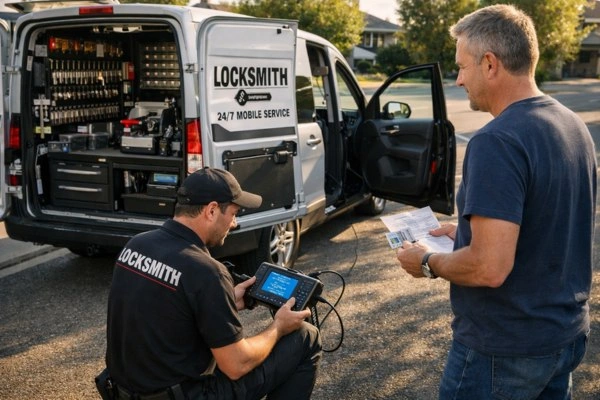
Hiring a professional locksmith to fix a bent or broken car key is straightforward when you know what to expect. Costs vary depending on whether the key needs straightening, cutting, or programming. You will also need to provide proof of ownership before any work begins. This step protects both you and your vehicle throughout the entire process.
Here is what usually comes into play when it comes to service:
Taking proper care of your car keys can prevent the stress of dealing with a bent car key or sudden breakage. A few small habit changes and some regular maintenance go a long way. Keeping your keys in good condition helps you avoid unnecessary visits to a locksmith. Simple steps taken now can save you time and money later.
Here are smart ways to prevent future bending and protect your keys:
A bent or broken key is a problem that gets worse the longer you wait. Whether the damage is minor or severe, a professional locksmith has the tools and experience to find the right fix. From straightening a bent blade to cutting and programming a brand new key, the solution depends on your key type and the extent of the damage. Acting fast protects both your key and your ignition lock from further harm.
Keyway Locksmith is ready to help with all automotive key issues, including bent car key repair, broken key extraction, and full key replacement. Do not risk making the damage worse by forcing a damaged key or attempting a DIY fix. Reaching out to a trained locksmith is always the safest and most reliable step you can take to get back on the road quickly.
Can a locksmith fix a bent car key on the spot?
Yes, a locksmith can often straighten a lightly bent key right at your location. The fix depends on how severe the bend is and whether any cracks are visible.
How do I know if my car key needs repair or full replacement?
If the blade has a visible curve but no cracks, repair may still be possible. A full replacement is needed when the key is cracked, snapped, or has a damaged chip.
Will a damaged car key hurt my ignition lock?
Yes, forcing a bent or broken key into the ignition lock can cause serious internal damage. It is best to stop using the key and call a locksmith right away.
Can a locksmith make a new key if mine has completely broken?
Yes, a locksmith can create a new key using your vehicle’s key code or an existing spare. For modern vehicles, reprogramming is also included as part of the replacement process.
How long does it take a locksmith to replace a car key?
A basic key replacement can be completed within a short time depending on the key type. Keys that require programming or decoding may take a little longer to complete properly.


