
March 24, 2026

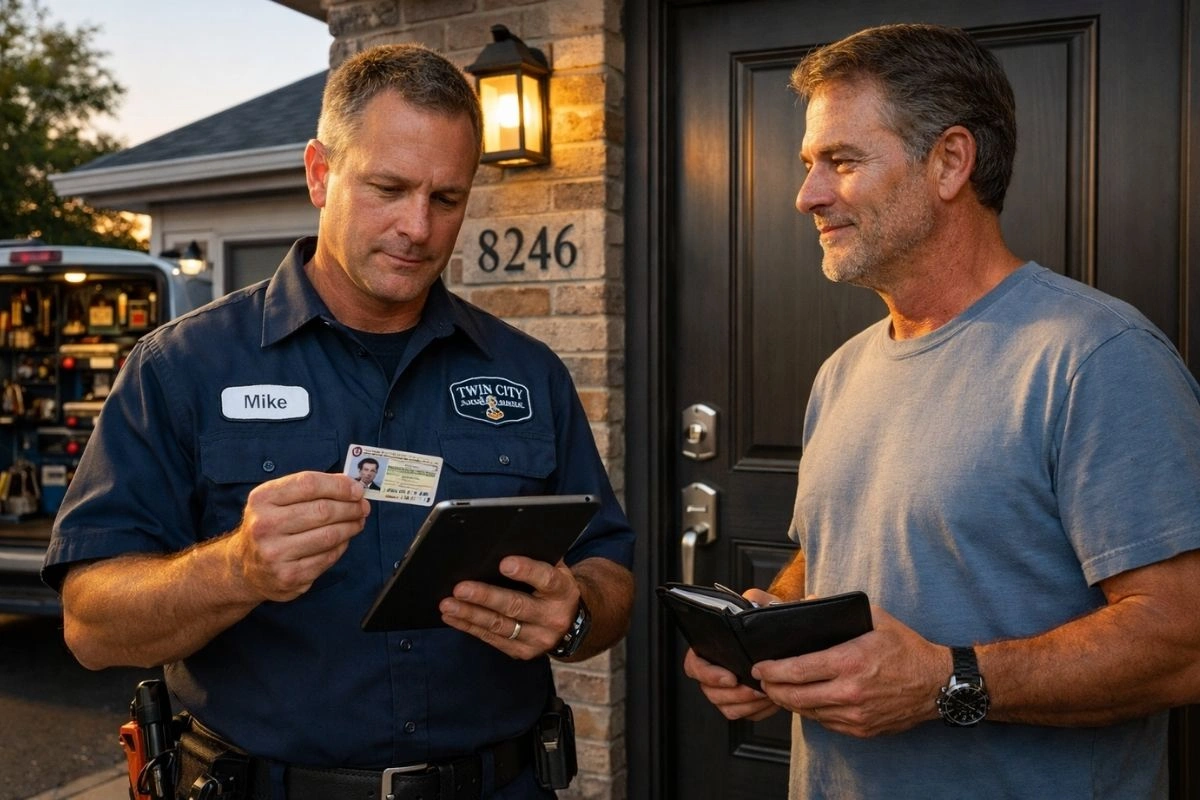
Professional locksmiths follow strict verification steps before unlocking any property. When you call a locksmith during a lockout, they are required to confirm you are the rightful owner or resident. This process protects homeowners from unauthorized access and shields the locksmith from legal liability. Trusted providers like Keyway Locksmith in Minneapolis apply these standards on every residential, commercial, and automotive service call.
Understanding what locksmiths check before opening a door helps you prepare for emergencies. Accepted proof includes a photo ID, utility bill, lease agreement, or title deed. In cases where documents are unavailable, neighbor confirmation or law enforcement presence can substitute. Keyway Locksmith serves Minneapolis and surrounding areas 24/7, ensuring fast and responsible access solutions every time.
Key Takeaways
Professional locksmiths are not just key experts. They are also gatekeepers of safety and security. Verifying ownership ensures no one gains access to a property without proper proof. This step is essential for protecting both residents and the professionals serving them.
Every licensed locksmith operates under a strict duty of care. Unlocking a property for the wrong person can lead to serious legal consequences. It can also result in the loss of their professional certification. Reputable locksmith companies like Keyway Locksmith in Minneapolis take this responsibility seriously on every service call.
Verification is not meant to slow the process down. It simply ensures everyone involved has peace of mind. These checks ensure that only rightful residents regain access to their property. This process also protects both the homeowner and the locksmith from potential liability.
Professional locksmiths use several layers of proof before unlocking a door. Each type of documentation serves a specific purpose during the verification process.
A driver’s license, state ID, or passport is the most common form of accepted proof. Ideally, it should include your name and the property address. Having this ready before the locksmith arrives can speed up the entire process.
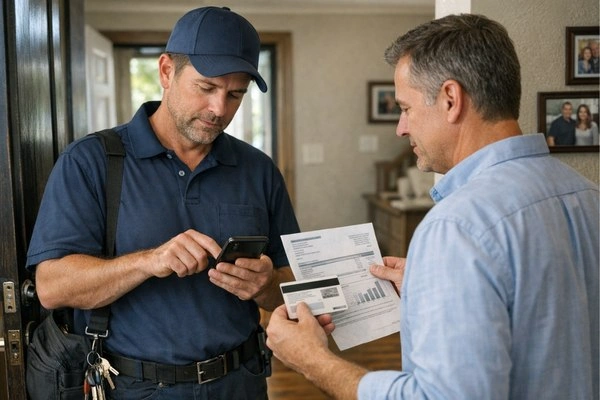
When your ID address does not match the property, additional documents are needed. A recent utility bill, bank statement, or official letter addressed to you can work. Customers who recently moved often use a utility bill or internet invoice to confirm their address.
Homeowners can present title deeds as valid proof of ownership. Renters can use a current lease agreement instead. These documents are especially useful when no mail or matching ID is available.
Locksmiths understand that emergencies do not always go as planned. Sometimes your identification is locked inside the property itself. In these situations, trained professionals rely on alternative verification methods. Keyway Locksmith in Minneapolis is experienced in handling these exact types of scenarios.
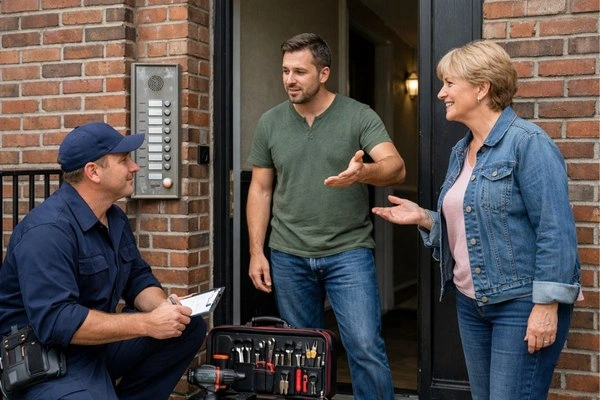
A neighbor or landlord who knows you can help confirm your identity. This is a common and accepted method when standard documents are unavailable. It is especially helpful for tenants who have locked themselves out without their keys.
When verification becomes more complicated, contacting the police can make the process official. Locksmiths often prefer having law enforcement present to properly document the situation. This protects everyone involved and ensures the job is handled responsibly.
A locksmith may ask questions that only the true owner or resident would know. This could include describing the layout of the home or providing an alarm code. If the answers do not match, a responsible locksmith will refuse to proceed with the job. Trustworthy locksmith professionals prioritize safety over speed in every situation.
Verification does not only apply to homes. It also covers cars and commercial properties. Keyway Locksmith in Minneapolis handles all types of lockout situations with the same careful process.
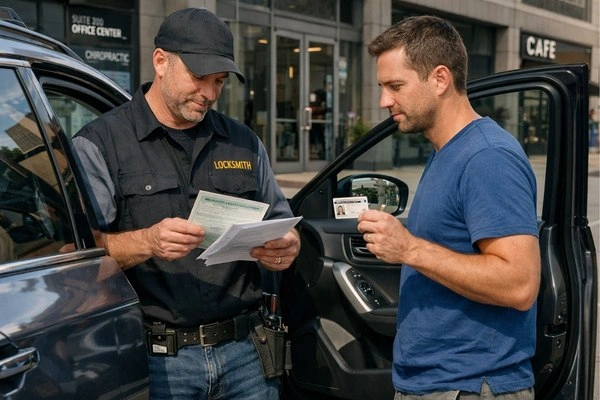
When you are locked out of your car, a locksmith will typically open the vehicle first. After gaining access, they will ask to see your vehicle registration or insurance papers. A photo ID is also required to confirm the car belongs to you. This step ensures the service is completed safely and responsibly.
For commercial properties, the verification process involves additional documentation. A locksmith may ask for proof of employment or a company ID badge. Direct authorization from the business owner may also be required. Keyway Locksmith provides reliable commercial locksmith services designed to protect businesses of all sizes.
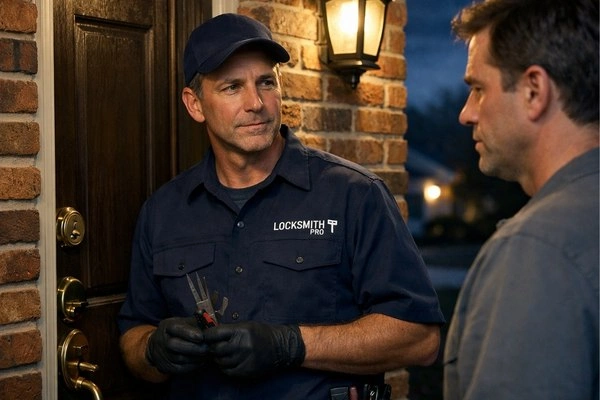
Locksmiths are trained to assess situations using both documentation and professional instinct. If a customer cannot provide enough evidence or appears evasive, the locksmith must make a judgment call. Refusing a questionable job is always the safer and more ethical choice.
A reputable locksmith will always prioritize ethics over completing a job for income. Any request that does not feel right should be declined without hesitation. This standard of integrity is what separates true professionals from unreliable operators. Trustworthy locksmith companies build their reputation on doing the right thing every time.
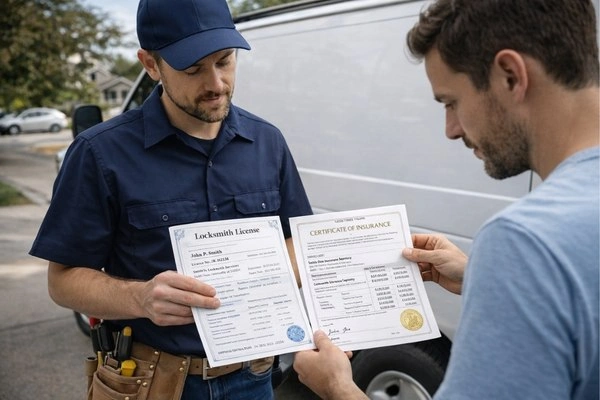
Not all locksmiths operate with the same level of professionalism and standards. Knowing what to look for helps you make the right choice. Keyway Locksmith in Minneapolis is built on a foundation of trust, transparency, and verified expertise.
If a locksmith is willing to open a door without asking for your ID, take that as a serious warning sign. Professional locksmiths always request verification before proceeding with any job. Skipping this step puts both the homeowner and the locksmith at risk.
Look for locksmiths accredited by recognized professional bodies or listed in official directories. Reading customer reviews gives you a clearer picture of their reliability and service quality. Checking for proper insurance coverage adds another layer of confidence before hiring anyone.
Knowing how locksmiths verify your identity helps you stay prepared during a stressful lockout situation. Professional locksmiths do not skip this step, and for good reason. It protects you, your property, and the locksmith from serious legal and safety risks. Whether you need residential, commercial, or automotive locksmith services, working with a verified and trusted provider matters.
Keyway Locksmith in Minneapolis is committed to handling every job with professionalism, care, and full verification standards. Their team is available 24/7 to respond to lockouts across Minneapolis and surrounding areas. Choosing a reputable locksmith means choosing safety and peace of mind every single time. Always have your ID and proof of address ready, and trust only those who ask for it.
Will a locksmith always ask for ID before opening my door?
Yes, any professional locksmith will request identification before unlocking a property. This is a standard safety practice that protects both the resident and the locksmith.
What if my ID is locked inside the house?
A locksmith can use alternative verification methods in this situation. A neighbor, landlord, or law enforcement presence can help confirm your identity instead.
Can a locksmith refuse to unlock my property?
Yes, a reputable locksmith has the right to decline any job that seems suspicious. If you cannot provide sufficient proof, they will walk away to protect everyone involved.
What documents work as proof of address for a locksmith?
A recent utility bill, bank statement, or official letter addressed to you are all accepted. These documents help confirm that you are the rightful resident of the property.
How do I know if a locksmith is trustworthy?
Look for proper certifications, verified customer reviews, and a clear verification process. A trustworthy locksmith will always ask for proof before starting any job.


