March 26, 2026

Most states don’t legally require locksmiths to verify ownership before providing services, but reputable locksmith companies verify ownership anyway as a professional best practice. Professional locksmiths typically ask for a government-issued ID matching the property address, utility bills, property deeds, or other documentation before unlocking doors or changing locks.
Ownership verification protects both property owners and locksmith providers from unauthorized access, liability issues, and security breaches. If a locksmith doesn’t ask for any verification, this is actually a red flag indicating potential inexperience or unprofessional practices. Legitimate locksmiths understand that requesting proof of ownership demonstrates their commitment to security and ethical service delivery, not an inconvenience, but a protection for your property.
Key Takeaways:

A locksmith is more than just a key cutter. These security professionals protect your property and provide peace of mind. Modern locksmiths handle complex security systems beyond traditional locks. They install advanced locking mechanisms and help secure your most valuable possessions. A skilled locksmith can assess your home security needs and recommend appropriate solutions. These experts work with residential, commercial, and automotive security systems daily. Their training covers everything from basic key duplication to electronic access control systems.
Professional locksmiths offer comprehensive security solutions for every situation. Here are the primary services you can expect:
Modern security demands require locksmiths to stay current with technological advances. Many certified professionals now specialize in smart locks and digital security systems. This expertise ensures your property benefits from the latest protective measures available.
The ownership verification requirement often confuses property owners seeking locksmith services. Some view it as an essential security measure while others consider it inconvenient. The reality is that proof requirements depend on the specific service requested. Emergency lockouts typically require different documentation than lock installations or master key system changes. Most professional locksmiths accept various forms of verification, including driver’s licenses matching the property address, utility bills, or property tax documents. Reputable locksmiths prioritize security and may request verification before providing certain services.
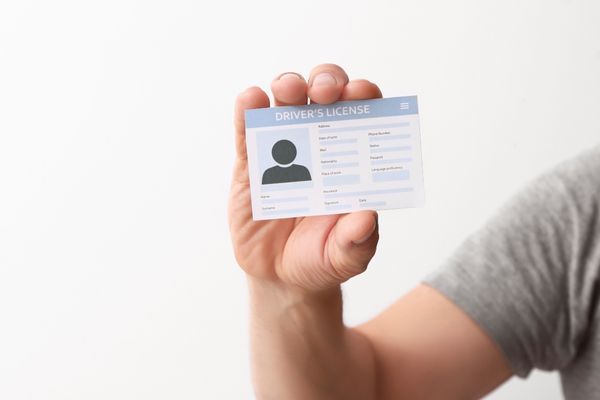
Professional locksmiths require proof of ownership before providing service. This protection prevents unauthorized access and maintains property security. Verification steps help ensure services are provided only to legitimate property owners. Multiple documentation methods can establish your right to access a property. Understanding these requirements helps you prepare for locksmith services.
A valid photo ID serves as the primary ownership verification method. Your driver’s license or state ID should match the property address. Locksmiths compare the name and address on your identification with the service location. This quick verification method protects both you and the locksmith. Always bring current identification when requesting professional locksmith services.
Property deeds and mortgage documents provide legal proof of ownership. These official records establish a clear connection between you and the property. Industry experts trust these documents because they represent legal ownership rights. Keep copies of property paperwork accessible for verification purposes. Title documents offer the strongest form of ownership proof.
Recent utility bills demonstrate your active residency at the property. These documents show your name linked to the service address. Cable, electric, or water bills dated within the past 90 days work well. Home maintenance documentation confirms your legitimate connection to the location. This verification method complements other forms of identification.
Some locksmiths accept electronic confirmation through secure channels. Email verification or mobile app authentication may satisfy ownership requirements. Digital access codes linked to property management systems can verify authorization. This modern approach streamlines the verification process. Always use secure methods when sharing digital credentials.
Providing emergency contacts associated with the property adds credibility. These references can confirm your relationship to the property if needed. Property managers or neighbors may serve as additional verification sources. Cross-referencing contacts helps locksmiths validate legitimate service requests. This extra step enhances community safety for all parties involved.
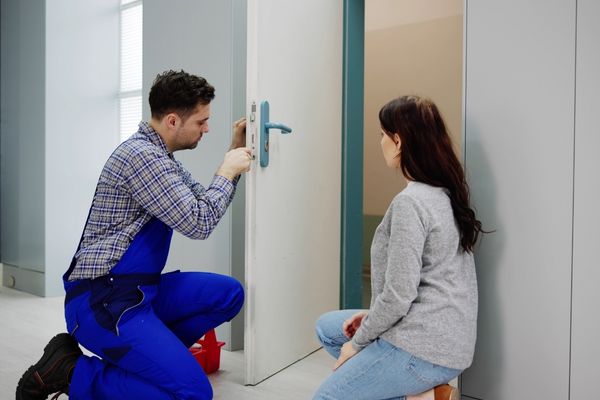
Most states do not legally require locksmiths to verify ownership before providing services. However, this doesn’t mean verification should be skipped. Professional locksmiths understand that proper verification protects both clients and service providers. Taking extra steps to confirm property rights demonstrates a commitment to security and ethical practices.
A locksmith who verifies ownership shows professionalism and care for customer safety. This simple step prevents unauthorized access and protects property owners from potential security breaches. Quality locksmith companies implement verification procedures even when the law doesn’t mandate them. These measures include checking identification documents and confirming property ownership through various methods. Without proper verification, anyone could potentially gain access to properties they shouldn’t enter.
Not all locksmith services maintain the same standards of professionalism and security. Some warning signs include:
When a locksmith fails to verify identity, it raises serious concerns. This oversight could indicate working with uncertified or inexperienced technicians. Professional locksmiths prioritize security protocols to maintain trust and ensure legitimate service delivery.
Reputable locksmith providers go beyond minimum legal requirements to protect their customers. They verify identification before starting any lock-related work. This practice prevents security breaches and demonstrates accountability. Customers should expect verification requests as a sign of quality service. A locksmith asking for proof of ownership is protecting your property, not inconveniencing you.
Always choose a locksmith who asks for verification documents before beginning work. This requirement protects you from liability and ensures ethical service delivery. Professional locksmiths understand that proper verification benefits everyone involved in the transaction. Don’t hesitate to provide identification when requested by your locksmith provider. If you’ve experienced a broken key situation, the same verification standards apply. This simple step confirms you’re working with a service that values security and follows industry best practices.
Ownership verification isn’t just a formality; it’s a critical security measure that protects your property and demonstrates a locksmith’s professionalism. While most states don’t legally mandate proof of ownership, reputable locksmiths voluntarily implement verification procedures to ensure ethical service delivery. When you encounter a locksmith who requests identification and property documentation, view this as a positive sign of quality workmanship and commitment to security, not an inconvenience. Always prepare necessary documents, including government-issued photo ID, utility bills, or property deeds, before scheduling locksmith services. Remember that legitimate professionals prioritize your safety over convenience. If a locksmith doesn’t ask for any verification whatsoever, consider it a red flag and seek services elsewhere. By understanding and cooperating with verification requirements, you’re not only protecting your property but also ensuring you’re working with trustworthy, professional locksmiths who value security and ethical practices above all else.
What happens if I don’t have proof of ownership during an emergency lockout?
Professional locksmiths can work with alternative verification methods in emergencies. You may need multiple forms of identification, security questions, or have a neighbor verify your residency. Some accept electronic verification through email or secure apps. However, without any verification, most reputable locksmiths will refuse service to protect property security and avoid liability issues.
Can someone else hire a locksmith to access my property?
Not without proper authorization. Professional locksmiths verify that requesters have legal authority to access the property. Anyone other than the owner needs written authorization, power of attorney documents, or property management credentials. This verification process protects property owners from unauthorized access and prevents potential break-ins disguised as legitimate locksmith calls.
Is it legal for a locksmith to refuse service without proof of ownership?
Yes, absolutely. Locksmiths have the legal right and professional obligation to refuse service when ownership cannot be verified. Reputable providers protect themselves from liability by ensuring they’re working with legitimate property owners or authorized representatives. This practice demonstrates professional integrity and protects both parties from potential legal consequences or security breaches.
How long does the verification process typically take?
Ownership verification usually takes 2-5 minutes with proper documentation ready. The locksmith reviews your government-issued ID, confirms the address matches the service location, and may request one additional document like a utility bill or property deed. Having documents prepared beforehand speeds up the process, allowing the locksmith to begin work quickly.
What proof do I need for a rental property lockout?
For rental properties, bring your government-issued ID matching the address plus your lease agreement showing active tenancy. Recent rent receipts or landlord correspondence can also help. Many locksmiths contact your property manager or landlord to confirm authorization before providing service. Some rental agreements require landlord approval before lock changes, so review your lease terms first.


